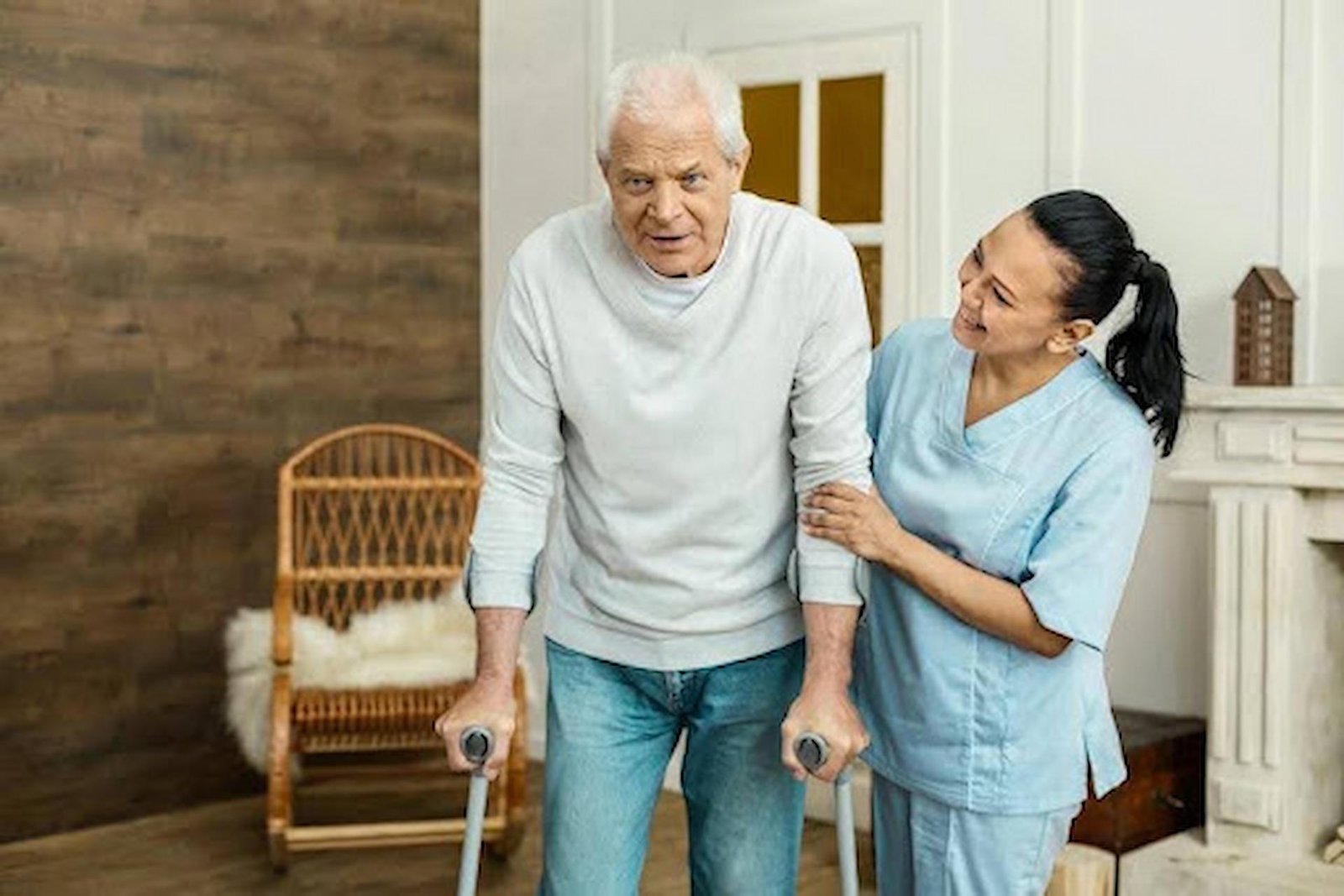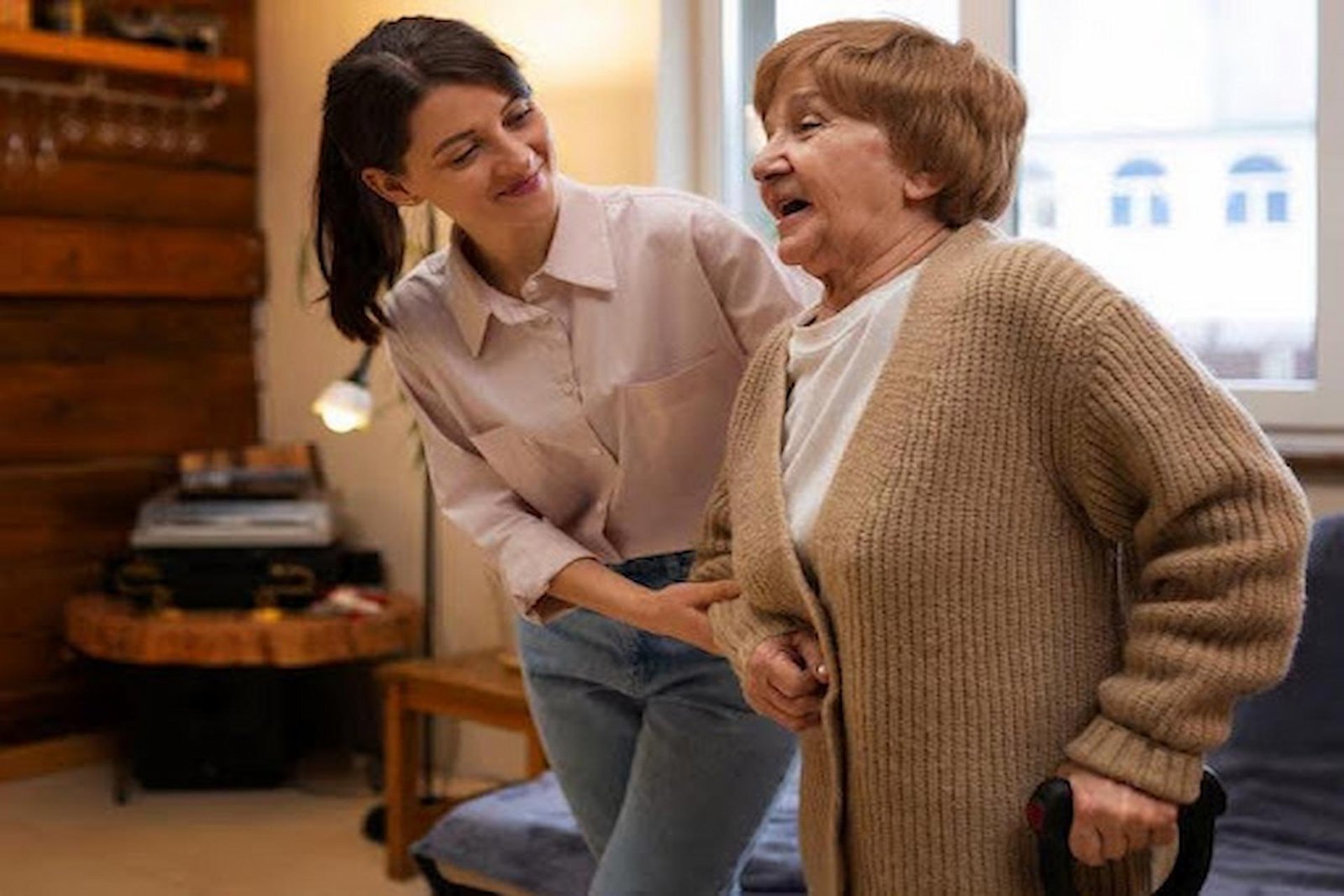
Designing mobility-friendly care environments extends well beyond ramps and handrails. By combining thoughtful layouts, adaptive facilities, and responsive support, care homes can enhance safety, boost independence, and promote emotional wellbeing for residents with mobility challenges. Such intentional planning creates spaces where residents move confidently, feel supported, and enjoy a greater sense of freedom in their daily lives.
Mobility challenges affect many individuals living in residential care, shaping how they move, interact, and experience daily life. For providers such as care homes in Hemel Hempstead, adapting facilities to meet these needs is essential to delivering dignified, person-centred care. A well-designed environment can reduce physical strain, minimise risk, and restore confidence for residents who may otherwise feel limited by their surroundings. From internal layouts to everyday support practices, mobility-focused adaptations help residents remain engaged, comfortable, and secure. This article explores how care home facilities can be thoughtfully adapted to support mobility challenges while maintaining a welcoming, homely atmosphere.
Designing Living Spaces That Encourage Safe Movement
A care home’s physical environment plays a decisive role in how confidently residents move through it. Spacious layouts, clear sightlines, and intuitive room arrangements allow residents with reduced mobility to navigate their surroundings with less anxiety. Wide corridors reduce the risk of collisions, while consistent flooring materials help prevent trips and slips. Doorways designed with accessibility in mind allow for smooth transitions between rooms without unnecessary barriers. When movement feels natural rather than restricted, residents are more likely to remain active and socially engaged.
Creating Bedrooms That Balance Comfort and Functionality
Bedrooms are personal spaces where residents should feel both safe and at ease. Adapting these rooms for mobility challenges involves more than equipment placement; it requires careful spatial planning. Adequate room around beds allows for safe transfers and ease of movement, while adjustable furnishings support changing physical needs. Storage positioned at accessible heights enables residents to retain independence in daily routines. A well-adapted bedroom becomes a place of reassurance rather than limitation.
Enhancing Bathroom Safety Without Compromising Dignity
Bathrooms are among the most critical areas for mobility adaptation. Thoughtful design reduces risk while preserving privacy and dignity. Non-slip surfaces, accessible layouts, and well-positioned support features allow residents to manage personal care with greater confidence. Walk-in bathing solutions and seating options reduce physical strain, making daily hygiene routines safer and less stressful. When residents feel secure in these spaces, their overall sense of autonomy improves significantly.
Supporting Mobility Through Purposeful Communal Areas
Communal spaces should invite participation rather than present obstacles. Lounges, dining areas, and activity rooms that are easy to access encourage residents with mobility challenges to remain socially connected. Clear pathways, supportive seating, and well-considered furniture placement reduce physical effort and anxiety. These adaptations ensure that shared spaces remain inclusive, allowing residents to enjoy social interaction without fear of discomfort or fatigue.
Outdoor Environments That Promote Confidence and Wellbeing
Access to outdoor areas offers important physical and emotional benefits, particularly for residents with mobility limitations. Level pathways, stable surfaces, and strategically placed resting points make gardens and courtyards accessible to all. These spaces encourage gentle movement, provide sensory stimulation, and offer a calming connection to nature. When outdoor environments are designed with mobility in mind, residents can enjoy fresh air and light activity safely and comfortably.
Integrating Mobility Support Into Daily Care Practices
Environmental adaptations are most effective when paired with supportive daily care. Staff awareness of individual mobility needs ensures residents receive appropriate assistance without unnecessary restriction. Gentle encouragement to move, combined with respect for personal limits, helps maintain physical function over time. In care homes in Hemel Hempstead, this balanced approach allows residents to remain active participants in their own care while feeling supported rather than managed.
The Role of Equipment in Maintaining Independence
Specialist equipment plays a vital role in supporting mobility, but its impact depends on thoughtful integration. When aids are readily available and discreetly incorporated into daily routines, residents feel empowered rather than defined by their limitations. Proper maintenance and careful selection ensure equipment enhances comfort and safety without disrupting the homely feel of the environment. Used well, mobility equipment becomes an enabler of independence rather than a visible reminder of decline.
Training Care Teams to Respond to Changing Mobility Needs
Facilities alone cannot address mobility challenges without skilled, attentive staff. Ongoing training ensures care teams understand how mobility limitations evolve and how to respond appropriately. Knowledge of safe movement techniques, adaptive support strategies, and resident-led care planning allows staff to provide assistance that respects dignity and choice. This expertise ensures adaptations remain effective as residents’ needs change over time.
Reducing Anxiety Through Predictable and Supportive Design
Mobility challenges often bring emotional as well as physical strain. Clear layouts, consistent design features, and well-lit spaces help residents feel oriented and secure. Predictability in the environment reduces hesitation and fear of falling, encouraging more confident movement. When residents trust their surroundings, they are more willing to engage in daily activities and maintain social connections.
Balancing Safety With a Homely Atmosphere
One of the greatest challenges in adapting care facilities is maintaining warmth and familiarity alongside safety. Overly clinical environments can undermine wellbeing, even when they are technically accessible. Successful adaptation blends supportive features seamlessly into the design, preserving a residential feel. This balance ensures residents experience their home as a place of comfort and belonging rather than restriction.
Frequently Asked Questions
How do care homes support residents with mobility challenges?
They adapt layouts, improve accessibility in key areas, and provide supportive care to help residents move safely and comfortably each day.
Why is mobility-friendly design important in care homes?
It reduces fall risks, supports independence, and helps residents stay active and confident in their surroundings.
How are changing mobility needs managed over time?
Care teams regularly review needs and adjust support to ensure comfort, safety, and appropriate assistance.
Does the care environment affect fall prevention?
Yes, clear layouts, safe flooring, and good lighting significantly lower the risk of slips and falls.
How can families judge if a care home suits mobility needs?
By observing ease of movement, staff support, and how naturally mobility adaptations are integrated into daily life.
Final Thoughts
Adapting care home facilities for residents with mobility challenges is an ongoing commitment rather than a one-time adjustment. From spatial design and private living areas to communal spaces and daily care practices, every element influences how residents move and feel within their environment. For families considering care homes in Hemel Hempstead, understanding how mobility needs are supported offers valuable insight into the quality of care provided. When facilities are thoughtfully designed and care teams are responsive, residents gain more than physical support; they gain confidence, independence, and a stronger sense of dignity. Mobility-focused adaptation ultimately enhances not just safety, but quality of life.