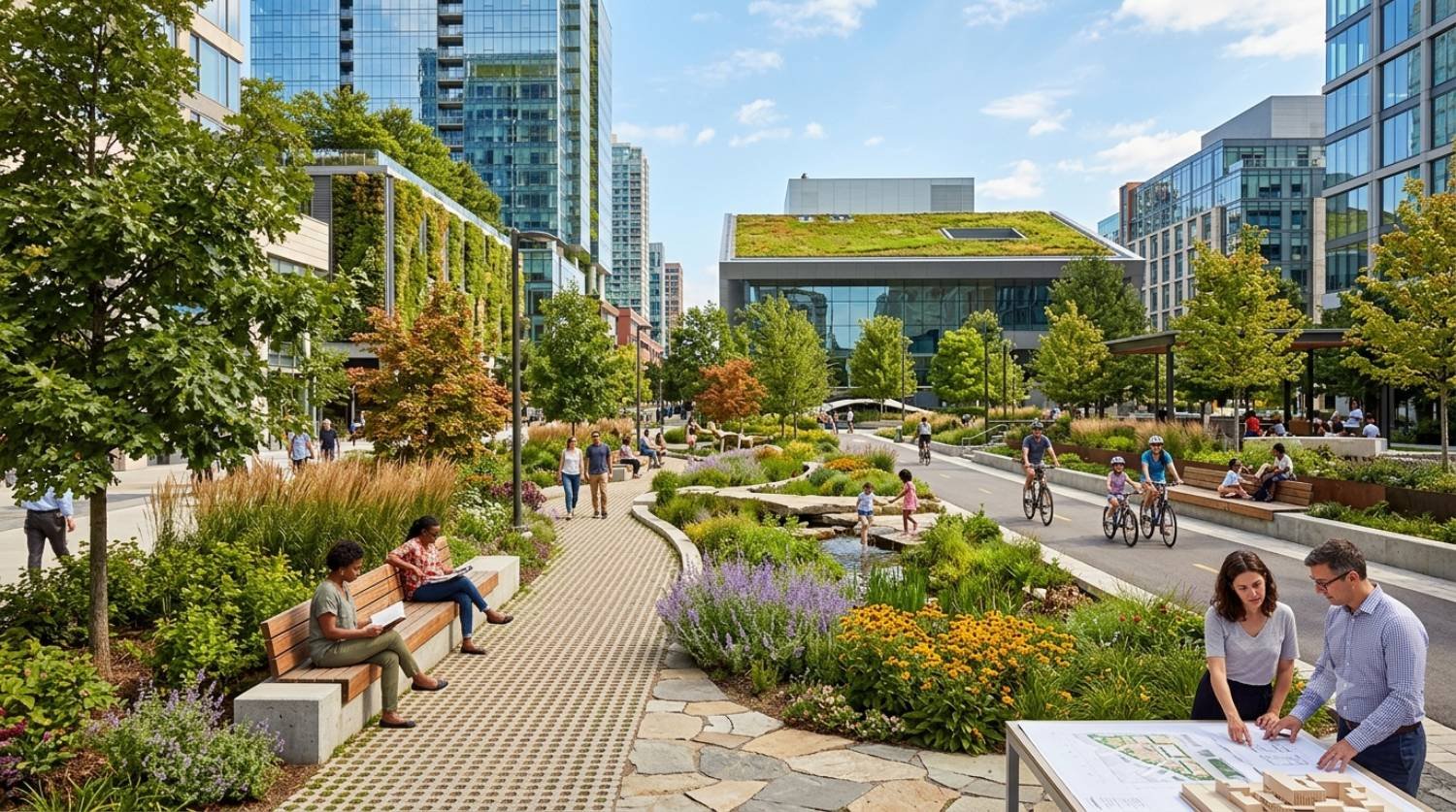
Modern urban areas need more than buildings, roads, and transport networks. Successful places also require attractive, functional, and sustainable outdoor environments that support communities and respond to environmental pressures. From public parks and residential developments to commercial districts and regeneration schemes, landscape planning has become an important part of urban design. Professional expertise helps ensure that green spaces, pedestrian areas, drainage systems, planting, and public spaces work together to create places that remain useful and appealing for years.
Working with experienced Chartered Landscape Architects can bring specialist knowledge to projects where landscape quality, planning requirements, ecology, and long-term maintenance all need careful consideration. Firms such as Artemis.uk.net can contribute professional landscape expertise at different stages of development, from initial site assessment to detailed design and implementation. Their involvement can help project teams make informed decisions about land use while balancing visual appeal, environmental performance, accessibility, and practical requirements.
What Do Chartered Landscape Architects Do?
Chartered Landscape Architects combine design knowledge with an understanding of planning, ecology, environmental management, construction, and public space. Their role extends beyond selecting plants or creating attractive gardens. They assess how land functions and how proposed changes may affect people, wildlife, drainage, views, and surrounding development.
From Concept to Delivery
A landscape architect may contribute to:
- Site appraisal and landscape assessment
- Masterplanning and urban regeneration
- Public realm design
- Green infrastructure planning
- Planting strategies
- Sustainable drainage solutions
- Ecological enhancement
- Planning support
- Construction documentation
This broad expertise allows landscape considerations to become part of the overall development strategy rather than an afterthought.
Creating Better Urban Places
Urban development can place pressure on existing green spaces, biodiversity, and natural drainage. Professional landscape planning provides opportunities to address these challenges while creating attractive spaces for residents, workers, and visitors.
For projects requiring local expertise, Chartered Landscape Architects Northamptonshire can be particularly valuable where development proposals must respond to local landscape character, planning considerations, and environmental conditions. Working with Artemis.uk.net can help project teams develop landscape strategies that connect new development with its surrounding setting.
Supporting Sustainable Urban Design
Sustainability is now a central consideration in urban planning. Landscape architects can help integrate natural systems into built environments, reducing some of the environmental pressures associated with development.
Green roofs, rain gardens, tree planting, permeable surfaces, wetlands, and connected habitats can contribute to improved environmental performance. These features may support biodiversity, reduce surface water runoff, provide shade, and improve the experience of outdoor spaces.
The Value of Green Infrastructure
Well-planned green infrastructure can:
- Support local biodiversity
- Improve urban drainage
- Reduce heat build-up
- Provide attractive recreational areas
- Strengthen ecological connections
- Improve air quality
- Support healthier lifestyles
The value of these measures extends beyond appearance, contributing to resilient and more liveable communities.
Landscape Design and Community Wellbeing
The quality of outdoor environments can influence how people experience a neighbourhood. Accessible parks, tree-lined streets, seating areas, walking routes, and welcoming public spaces can encourage people to spend more time outdoors and interact with their surroundings.
Landscape professionals consider how different groups may use a space, including children, older people, families, commuters, and people with mobility requirements. This human-centred approach can help create environments that are practical and inclusive.
Responding to Local Character
Every location has its own combination of history, architecture, vegetation, topography, views, and environmental conditions. Repeating the same landscape approach across different areas can weaken local identity.
Professional Chartered Landscape Designers assess the character of a site before developing proposals. This allows planting palettes, materials, boundaries, paths, and spatial arrangements to respond appropriately to the surrounding area.
For development projects in the county, Chartered Landscape Designers Northamptonshire can provide valuable knowledge of local conditions and landscape characteristics, helping new schemes establish a stronger relationship with their setting.
Planning and Development Expertise
Planning applications often require detailed information about landscape impact, visual effects, trees, ecology, and proposed mitigation. Landscape architects can prepare technical assessments and design information that supports planning submissions.
Their involvement can also improve communication between architects, planners, engineers, ecologists, developers, and contractors. Bringing these disciplines together at an early stage can reduce conflicts and help identify practical solutions before construction begins.
Designing for Long-Term Performance
A successful landscape should continue to perform after construction is complete. Choosing appropriate plants, materials, drainage systems, and maintenance approaches can have a significant effect on long-term costs and appearance.
Important Long-Term Considerations
Professionals may assess:
- Plant establishment and maintenance
- Irrigation requirements
- Tree growth and management
- Surface durability
- Drainage performance
- Accessibility
- Replacement requirements
- Future management responsibilities
Considering these factors during design helps avoid solutions that look attractive initially but become difficult or expensive to manage.
Why Professional Accreditation Matters
Chartered status demonstrates a recognised level of professional competence and commitment to industry standards. For clients, appointing appropriately qualified professionals provides reassurance that landscape decisions are supported by specialist education, experience, and professional knowledge.
This is particularly valuable for larger developments where landscape design can affect planning outcomes, environmental performance, project costs, and long-term usability.
Building Better Urban Futures
Chartered landscape architects have an increasingly important role in creating successful modern urban environments. Their expertise connects landscape design with planning, ecology, sustainability, accessibility, and community needs. From green infrastructure and public spaces to long-term maintenance and local character, professional input can improve both the quality and resilience of development. By involving qualified landscape specialists early, developers and project teams can make better-informed decisions and create attractive, functional places that deliver environmental, social, and practical value for many years.